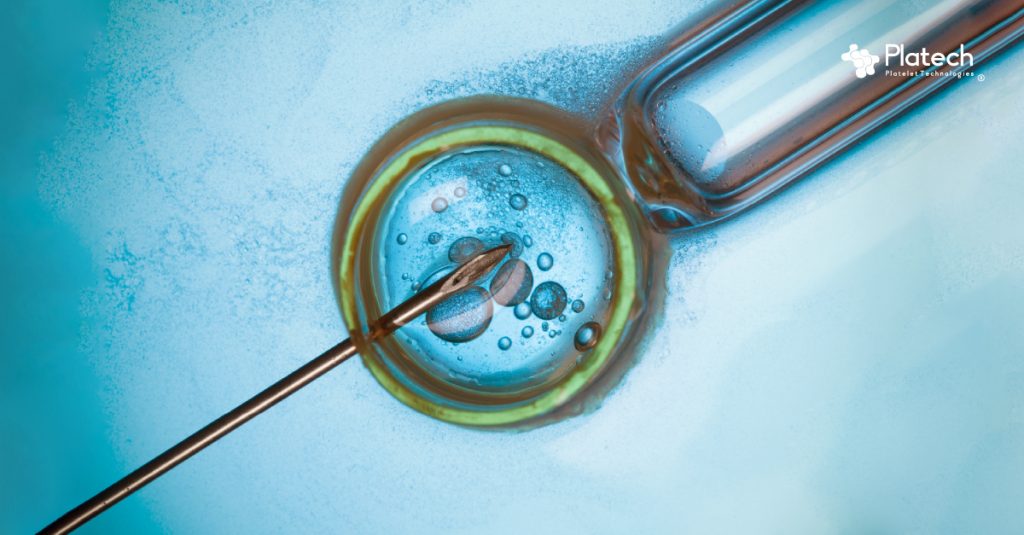

Biotechnology is an interdisciplinary branch of science that emerged in the early 19th century within the food industry. According to the Framework for Biotechnology Statistics, it is defined as “the application of science and technology to living organisms, in order to alter living or non-living materials for the production of knowledge, goods, and services.”
Although this field is relatively new, today it is part of our lives and has made major contributions, especially in medicine, including the diagnosis, prevention, and treatment of diseases such as cancer.
Along with advances in medical technologies, it is highly likely that biotechnology’s contribution will expand toward approaches focused on each patient’s medical requirements, DNA, and other individual characteristics.
One of the newest advances in biotechnology is a new discipline called pharmacogenomics, dedicated to studying how patients will respond to a new drug according to their genetic profile.
This new way of practicing personalized medicine has changed the paradigm of clinical trials toward one in which researchers monitor whether responses to certain drugs can be explained at the genetic level. This makes it possible to create treatments tailored to each patient, while also preserving their identity and personal information.
The study of diseases such as Down syndrome, cystic fibrosis, and hemophilia, which develop due to genetic factors, has also been enhanced by biotechnology and has contributed to the fields of pharmacogenomics and personalized medicine. Today, there are tests that could detect changes occurring in DNA, enabling early diagnosis to help prevent or reduce disease progression through early treatment.
If today we have unimaginable advances in medical biotechnology, such as gene and regenerative therapies, it would not be unreasonable to think that in the coming years it may be possible to create a genetically perfect human being, free of diseases and with determined physical characteristics such as hair, skin, or eye color. Do you think it is possible?